You Won't Believe What Lies Beneath: Exploring the Reef's Wild Shapes
Diving into the Great Barrier Reef feels like entering another planet. I never expected to see such wild, surreal formations beneath the waves—twisting coral cathedrals, underwater gardens, and labyrinthine structures shaped by centuries. This isn’t just a reef; it’s Earth’s most dynamic living sculpture. Let me take you through the hidden geography of a natural wonder that’s as fragile as it is breathtaking. From delicate lacework corals to massive underwater plateaus, the reef’s terrain tells a story of time, tides, and tiny builders working in unison. What lies beneath is not merely scenery—it’s a thriving world shaped by nature’s quiet precision, waiting to be understood, not just admired.
First Glimpse: The Reef That Looks Too Unreal to Exist
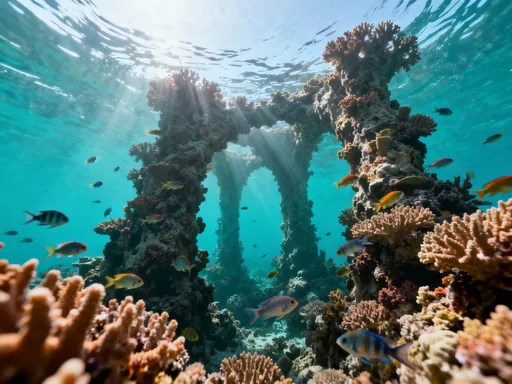
Breaking the surface above the Great Barrier Reef, the first thing that strikes you is the clarity of the water. Sunlight pierces through in shimmering beams, illuminating a mosaic of blues—turquoise near the shallows, deep sapphire where the ocean floor drops away. As you descend, the silence becomes profound, broken only by the rhythmic sound of your breath. Then, the reef emerges: a sprawling metropolis of color and form, rising from the seabed like something dreamed rather than grown. It’s easy to question whether such beauty can be real. The coral formations twist and spiral in ways that defy expectation—delicate fingers of staghorn coral reach upward, while brain corals bulge with intricate grooves, like ancient stone carvings brought to life.
What makes the reef so visually astonishing is that it is not a static landscape but a living, breathing geography. Unlike mountains or deserts shaped by erosion and time, the reef is built upward by billions of tiny organisms—coral polyps—that secrete calcium carbonate to form hard skeletons. Over decades and centuries, these skeletons accumulate, layer upon layer, creating the complex structures we see today. The shapes are not random; they are responses to environmental forces. Branching corals grow toward sunlight, plate corals fan out in low-light zones to maximize exposure, and massive boulders withstand the pounding of waves in shallow zones. Each form has evolved to survive, thrive, and support a web of life.
Currents play a crucial role in shaping these underwater architectures. In areas with strong flow, corals grow in streamlined shapes to reduce resistance, while in calmer lagoons, they bloom into wide, intricate forms. Depth also influences structure—shallow reefs receive more sunlight and support faster-growing species, while deeper zones host slower-growing, more resilient corals adapted to dim conditions. The result is a dynamic tapestry of textures and elevations, where no two sections are exactly alike. This living topography is not just beautiful—it is functional, a finely tuned system that has evolved over millennia to support one of the most biodiverse ecosystems on the planet.
The Living Architecture: How Coral Builds a World
Beneath the reef’s vibrant surface lies a microscopic construction crew at work. Coral polyps, no larger than a pencil tip, are the architects of this underwater world. Each polyp lives within a limestone cup it secretes, linking with thousands of others to form colonies. As one generation dies, the next builds atop the skeletal remains, slowly raising the reef skyward—though underwater. This process, though slow—just a few centimeters per year—has created structures that span hundreds of kilometers and rise dozens of meters from the ocean floor. The Great Barrier Reef, stretching over 2,300 kilometers along Australia’s northeast coast, is the largest living structure on Earth visible from space, a testament to the power of small, persistent life.
Different coral species contribute to different architectural styles. Branching corals, like acropora, grow rapidly in upright formations, creating dense thickets that serve as shelter for small fish and invertebrates. These are the nurseries of the reef, where juvenile species hide from predators. Plate corals, such as montipora, grow in wide, horizontal layers, stacking like pancakes to capture sunlight in deeper, less illuminated zones. Then there are the massive corals—slow-growing, dome-shaped giants like porites that can live for centuries. Some of these coral boulders are over 400 years old, silently recording changes in ocean chemistry and temperature in their annual growth rings, much like tree rings on land.
The reef’s zones resemble human-made environments in surprising ways. The outer reef slope functions like a city skyline, dense with vertical structures and high traffic from fish and sharks. The reef crest, battered by waves, is like a fortified wall, built by robust corals that can withstand strong forces. Inside the lagoon, the environment shifts to something more like a quiet forest—calm, sun-dappled, with soft corals swaying in gentle currents. Even the spaces between structures matter: crevices, caves, and overhangs provide refuge, breeding sites, and feeding grounds. This architectural diversity is what allows over 1,500 species of fish, 400 types of coral, and countless other marine organisms to coexist in a delicate balance. The reef is not just built by life—it is built for life.
Beyond Snorkeling: Seeing the Reef’s True Scale
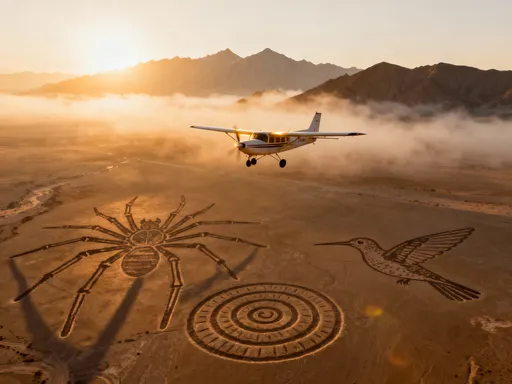
Most visitors experience the reef from the surface or just below it, floating above a patch of coral while glimpsing colorful fish darting through the branches. While breathtaking, this view captures only a fraction of the reef’s true scale and complexity. To understand its full geography, one must shift perspective—literally. From the air, small aircraft and helicopters reveal vast patterns invisible from below: ribbons of reef tracing continental contours, circular atolls rising from deep water, and mosaic-like clusters separated by sandy channels. These aerial views show the reef not as isolated outcrops but as a connected network, shaped by ocean currents, sea level changes, and geological history.
Submerged viewpoints offer another dimension. Snorkelers see the reef’s surface layer—the bright corals, the darting fish, the sunlight dancing on the seabed. But scuba divers, descending deeper, encounter a different world. Here, the reef drops sharply into underwater cliffs, where walls plunge hundreds of meters into the abyss. These drop-offs are biodiversity hotspots, attracting pelagic species like tuna, barracuda, and reef sharks that patrol the edge between shallow reef and open ocean. At these depths, light changes, colors shift, and the coral species transform—soft corals and gorgonians sway in the current, their feathery forms filtering nutrients from the water.
Scientists use even broader perspectives to study the reef’s topography. Satellite imagery and sonar mapping allow researchers to create detailed 3D models of the seafloor, identifying previously unknown structures and monitoring changes over time. These tools have revealed that the Great Barrier Reef is not a single continuous structure but a collection of over 2,900 individual reefs and 900 islands, each with its own unique shape and ecological profile. Some reefs are long and narrow, following ancient river channels now submerged. Others are circular, formed around sunken volcanic peaks. This macro-level understanding helps conservationists prioritize areas for protection and assess the impacts of climate change, cyclones, and human activity. Seeing the reef from all angles—surface, depth, and sky—transforms it from a scenic backdrop into a dynamic, interconnected system.
Hidden Zones: The Secret Structures Most Tourists Miss
While popular sites like the Cod Hole and Green Island draw crowds, some of the reef’s most extraordinary formations lie off the beaten path. These hidden zones—often accessible only by liveaboard boats or guided expeditions—offer intimate encounters with the reef’s quieter, more mysterious side. Reef flats, expansive shallow platforms that stretch for kilometers, are often overlooked but teem with life. At low tide, parts of these flats emerge, revealing tide pools filled with anemones, crabs, and juvenile fish. Walking carefully across them (where permitted) feels like stepping onto a living mosaic, each pool a self-contained ecosystem.
Equally fascinating are coral bommies—solitary coral outcrops that rise like islands from the sandy seabed. These isolated structures act as oases in the open ocean, attracting schools of fish, reef sharks, and even turtles that come to feed or rest. Some bommies are small, no taller than a person, while others tower over divers, their sides draped in soft corals and sponges. Pinnacles, narrow columns of coral that shoot upward from deep water, create dramatic vertical habitats. As currents swirl around them, nutrients concentrate, drawing in filter feeders and predators alike. These structures are often found in remote areas like Osprey Reef, where the water is clearer and human impact is minimal.
Underwater canyons and inter-reef channels are another hidden dimension. These passageways funnel water between reefs, creating strong currents that bring food and oxygen. For experienced divers, drifting through these channels is a mesmerizing experience—walls of coral blur past as fish ride the flow like commuters on an underwater highway. These areas are also critical for larval dispersal, allowing coral and fish larvae to travel between reefs and maintain genetic diversity. Exploring these zones requires care and respect. Touching coral, even lightly, can damage delicate tissues and introduce harmful bacteria. Responsible exploration means maintaining neutral buoyancy, keeping fins clear of the seabed, and following the guidance of experienced marine naturalists. When done thoughtfully, visiting these hidden realms deepens appreciation for the reef’s complexity and resilience.
Nature’s Delicate Balance: Why These Forms Matter
The shapes of the reef are not just aesthetically pleasing—they are functional, each form playing a vital role in sustaining marine life. Branching corals, with their dense, maze-like structures, provide shelter for small fish and invertebrates, protecting them from predators. These areas serve as nurseries, where young fish grow strong before venturing into open water. Plate corals, with their wide, horizontal surfaces, create microhabitats for algae, sponges, and crustaceans, supporting a food web that extends from the smallest organisms to large predators. Massive corals, though slower to grow, offer stability, anchoring the reef structure and resisting storm damage.
The physical layout of the reef also influences water flow, nutrient distribution, and sediment transport. Complex topography creates turbulence that oxygenates the water and prevents sediment from smothering coral. Overhangs and caves provide shaded retreats for species sensitive to light and temperature. The reef’s three-dimensional structure maximizes surface area, allowing more life to exist in a given space—much like a high-rise building houses more people than a single-story home. This efficiency is why the Great Barrier Reef supports such extraordinary biodiversity, despite covering less than 1% of the ocean floor.
Yet this delicate balance is under threat. Coral bleaching, caused by rising sea temperatures, weakens and kills corals, leading to the collapse of their structural forms. Once a branching coral dies, it becomes brittle and breaks apart, eliminating shelter for fish. Storms, intensified by climate change, can flatten entire reef sections in hours. Overfishing disrupts food chains, allowing algae to overgrow and smother coral. The loss of structural complexity has cascading effects: fewer fish, declining biodiversity, and reduced resilience to future stress. Protecting the reef means protecting not just individual species but the very shapes that make the ecosystem function. Conservation efforts now focus on restoring structural complexity through coral gardening and artificial reef modules, helping nature rebuild what has been lost.
Choosing the Right Spot: Where to See the Most Amazing Shapes
For travelers seeking the most striking reef formations, location and timing are key. The northern and remote central sections of the Great Barrier Reef often offer the most pristine and diverse structures. Cod Hole, located in the Ribbon Reefs, is famed for its dramatic drop-offs and frequent encounters with potato cod—gentle giants that have grown accustomed to divers. Osprey Reef, part of the Coral Sea Marine Park, features towering pinnacles and strong currents that attract sharks and large pelagic fish, making it a favorite among experienced divers. For those preferring shallower exploration, the reefs around Lizard Island and Heron Island showcase vibrant coral gardens and easy access to reef flats and lagoons.
Accessibility varies by site. Day trips from coastal towns like Cairns and Port Douglas provide convenient access to outer reef platforms, though they may be busier and limited to shallower dives. Liveaboard vessels offer deeper immersion, allowing guests to visit multiple sites over several days, including remote reefs that day boats cannot reach. These extended trips often include night dives, when the reef transforms—coral polyps extend their feeding tentacles, and nocturnal creatures like octopuses and lobsters emerge from hiding. Snorkelers can still experience remarkable formations, especially in protected lagoons where water clarity is high and marine life is abundant.
Timing also affects the quality of the experience. The Australian winter months (June to October) offer the best visibility, calmer seas, and lower rainfall, making it the ideal season for underwater photography and detailed observation. Tides influence current strength and access to certain areas—slack tide, when the water is still between incoming and outgoing flows, is best for exploring narrow channels and delicate coral zones. Planning around these natural rhythms enhances safety and enjoyment. Choosing operators with marine biologists on board adds educational depth, helping visitors understand what they’re seeing beyond the colors and movement. When travelers select sites thoughtfully and prepare for conditions, they gain more than memories—they gain insight.
Travel Smart: How to Explore Without Harming the Reef
With great beauty comes great responsibility. Every visitor to the Great Barrier Reef has a role in protecting its fragile ecosystems. One of the simplest yet most impactful actions is using reef-safe sunscreen. Many common sunscreens contain chemicals like oxybenzone and octinoxate, which can cause coral bleaching, damage DNA in marine life, and disrupt reproduction. Opting for mineral-based sunscreens with non-nano zinc oxide or titanium dioxide protects both skin and sea. Wearing sun-protective clothing reduces the need for sunscreen altogether, offering a safer alternative for both people and the environment.
Another essential rule is the “look, don’t touch” principle. Coral is incredibly delicate—its outer tissue can be damaged by the slightest contact. Kicking with fins, resting hands on coral, or even stirring up sediment can have lasting effects. Maintaining good buoyancy control is crucial, especially for divers. Snorkelers should avoid standing on the reef or using anchors that can crush coral. Responsible tour operators follow strict guidelines, using mooring buoys instead of anchors and limiting group sizes to minimize impact. Choosing certified eco-tours, such as those accredited by Ecotourism Australia or the Advanced Ecotourism Program, ensures that your visit supports sustainable practices.
Supporting conservation goes beyond personal behavior. Many organizations offer citizen science programs where travelers can contribute to reef monitoring—recording fish sightings, photographing coral health, or participating in clean-up dives. These efforts provide valuable data to researchers and foster a deeper connection to the reef. Additionally, choosing to support local communities that depend on reef tourism encourages economic models that value preservation over exploitation. When travelers act with care, they become stewards, not just spectators. The reef does not need more visitors—it needs more protectors.
The Great Barrier Reef isn’t just a destination—it’s a living map of natural artistry. By understanding its extraordinary formations and traveling with care, we don’t just witness wonder; we help preserve it. The real journey begins when we stop looking and start seeing.