Wander Where the Wild Meets the City: Nairobi’s Hidden Natural Wonders
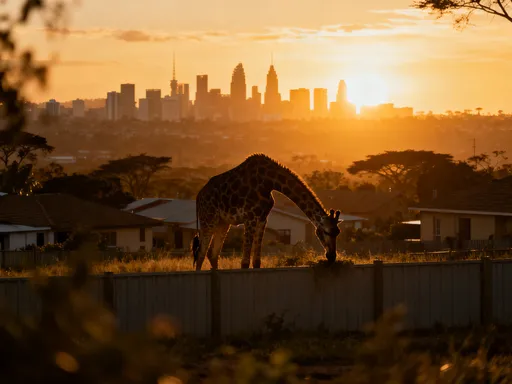
You know that feeling when a city surprises you with wild beauty you never expected? Nairobi isn’t just skyscrapers and traffic—it’s a place where giraffes roam near suburbs and forests hide in plain sight. I was blown away by how much raw, breathtaking nature lives side by side with urban life. From open savannas where lions prowl under the shadow of skyscrapers to serene forest trails just minutes from bustling markets, Nairobi redefines what a modern African capital can be. This is a city where the wild isn’t preserved in isolation—it thrives in dialogue with the urban, offering travelers a rare chance to experience wilderness without leaving the city limits. It’s not escapism; it’s integration, and it’s nothing short of extraordinary.
The Unexpected Wild Heart of Nairobi
Nairobi, often perceived as Kenya’s fast-paced economic hub, holds a secret beneath its urban surface—one of thriving ecosystems woven into the fabric of daily life. Unlike most capital cities that push nature to the margins, Nairobi embraces it. Here, the boundary between city and wilderness blurs in the most poetic ways. The city’s elevation—over 5,000 feet above sea level—contributes to a mild climate and fertile soil, making it ideal for both human habitation and rich biodiversity. But it’s not just geography that makes this possible; it’s a long-standing cultural respect for green spaces and wildlife that has shaped Nairobi’s development.
What makes Nairobi truly unique is its identity as a city of contrasts. One moment you’re navigating a busy roundabout, and the next, you’re gazing at a herd of zebra grazing against the backdrop of satellite dishes and apartment buildings. This coexistence is not accidental. It’s the result of deliberate conservation efforts, urban planning that prioritizes green belts, and a national pride in Kenya’s natural heritage. The concept of “urban wilderness” isn’t a marketing slogan here—it’s a lived reality. For travelers, this means access to authentic wildlife experiences without the need for long safaris or remote lodges.
And yet, many visitors still overlook these natural treasures, heading straight to the Maasai Mara or Amboseli instead. But those who take the time to explore Nairobi’s own backyard discover a different kind of magic—one where nature feels immediate, accessible, and deeply intertwined with the rhythm of city life. Whether it’s hearing monkeys chatter in the treetops during your morning coffee or spotting a secretary bird striding across a golf course, these moments create lasting impressions. Nairobi challenges the assumption that cities must be concrete jungles. Instead, it proves that urban centers can be vibrant, dynamic, and still home to the wild.
Nairobi National Park: Where Wildlife Roams Free at the City’s Edge
Just seven kilometers from the city center lies one of the most remarkable conservation areas in the world—Nairobi National Park. Spanning approximately 117 square kilometers, it is the only protected area in the world located so close to a capital city’s central business district. What sets it apart is its open southern boundary, which allows wildlife to migrate freely between the park and the larger Kitengela dispersal area. This design reflects a deep understanding of animal behavior and ecological connectivity, making it a model for urban-wildlife coexistence.
The park is home to over 100 species of mammals, including the iconic African lion, the endangered black rhinoceros, and large herds of giraffe, zebra, and wildebeest. It’s not uncommon to see a pride of lions resting in the shade of acacia trees while the skyline of Nairobi glimmers in the distance. This surreal juxtaposition—untamed wildlife against the modern city—creates a visual narrative unlike any other on the planet. Birdlife is equally impressive, with over 400 recorded species, from the colorful lilac-breasted roller to the martial eagle soaring above the plains.
Established in 1946, Nairobi National Park was created not only for conservation but also as a symbol of national identity. It was one of the first parks in Kenya and played a crucial role in shaping the country’s wildlife protection policies. Today, it serves as both a sanctuary and an educational resource, welcoming school groups, researchers, and tourists alike. The park’s accessibility makes it ideal for families, offering guided game drives, picnic sites, and even a popular annual wildlife migration festival.
Visitors are encouraged to come early in the morning or late afternoon when animals are most active. The dry season, from June to October, offers the best visibility as vegetation thins out and animals gather around water sources. Entrance fees are modest, making it an affordable experience for both locals and tourists. More importantly, revenue supports anti-poaching patrols, habitat restoration, and community outreach programs, ensuring that tourism directly benefits conservation.
Karura Forest: A Secret Green Sanctuary in the Urban Jungle
Hidden within the northern suburbs of Nairobi lies Karura Forest, a 1,000-acre urban forest reserve that feels worlds away from the city’s noise and chaos. Once threatened by illegal logging and land grabbing, this vital ecosystem was saved through the tireless efforts of environmental activist Wangari Maathai and local community groups. Today, it stands as a testament to what collective action can achieve—a thriving green haven where nature and people coexist in harmony.
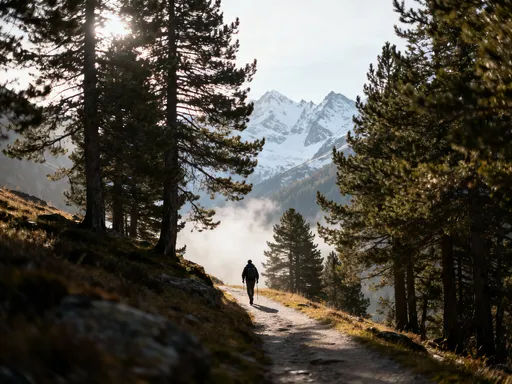
The forest is crisscrossed with well-maintained trails suitable for walking, jogging, and mountain biking. As you enter through the main gate, the air cools, the sounds of traffic fade, and the scent of wild herbs fills your lungs. Towering native trees—some over a century old—form a dense canopy, filtering sunlight into soft golden beams. Along the paths, you’ll encounter small waterfalls, tranquil ponds, and the occasional troop of Sykes’ monkeys leaping through the branches. Birdwatchers delight in spotting species like the African finfoot, the grey cuckooshrike, and the red-capped robin-chat.
What makes Karura special is its accessibility and inclusivity. It’s not a gated tourist attraction but a public space used daily by Nairobi residents for exercise, meditation, and family outings. On weekends, you’ll see groups practicing yoga by the river, children learning about trees on educational tours, and elders walking the shaded paths for their daily constitutional. The forest also hosts cultural events, tree-planting ceremonies, and environmental workshops, reinforcing its role as both a sanctuary and a community hub.
For visitors, Karura offers a peaceful retreat without requiring a full-day excursion. A two-hour loop trail takes you past key landmarks, including the sacred Kaya Mutula site, believed to have been a meeting place for indigenous leaders centuries ago. The forest’s conservation story adds emotional depth to the experience—knowing that this green lung was nearly lost and then reclaimed makes every step through it feel meaningful. It’s a powerful reminder that nature doesn’t have to be far away to be transformative.
The David Sheldrick Wildlife Trust: An Emotional Encounter with Baby Elephants
No visit to Nairobi is complete without a stop at the David Sheldrick Wildlife Trust, a world-renowned elephant orphanage located just outside Nairobi National Park. Founded in 1977 by Dr. Dame Daphne Sheldrick in memory of her husband, the trust has pioneered the successful hand-rearing of orphaned elephants—a feat once thought impossible. Each year, thousands of visitors gather at the nursery during the daily 11 a.m. feeding session, a deeply moving experience that blends joy, hope, and heartbreak.
The calves, many of whom were rescued after losing their mothers to poaching or drought, are brought to the nursery from across Kenya. They arrive traumatized and vulnerable, often refusing to eat. The keepers, who become their surrogate families, feed them every three hours with a special milk formula and provide round-the-clock care. Over time, the elephants gain strength, develop personalities, and begin to play—splashing in mud, chasing each other, and using their trunks to steal milk bottles from their neighbors. Watching them interact is both entertaining and profoundly touching.
The trust’s mission goes far beyond rehabilitation. It operates anti-poaching units, supports aerial surveillance, and runs community education programs to reduce human-wildlife conflict. Its reintegration program gradually prepares elephants for life in the wild, eventually transferring them to Tsavo East National Park where they join larger herds. To date, the trust has successfully reintroduced over 60 elephants into protected areas, a remarkable achievement in conservation history.
Visitors are not only allowed but encouraged to support the trust through adoption programs. For a donation, you can “adopt” an elephant, receive regular updates, photos, and even attend the annual “Graduation Day,” when former orphans are reunited with their keepers in Tsavo. This personal connection fosters long-term engagement and global awareness. The experience leaves a lasting impression—proof that compassion and science can work hand in hand to protect one of Earth’s most intelligent and endangered species.
Lunch with a View: Scenic Spots That Blend Nature and Culture
In Nairobi, dining is more than just a meal—it’s an immersive experience where food, nature, and culture come together. Across the city, restaurants and cafes have embraced the natural landscape, offering outdoor seating surrounded by gardens, forests, or wildlife. One of the most beloved destinations is The Village Market, a sprawling lifestyle complex set within lush greenery. Its open-air design features fountains, shaded courtyards, and walking paths where families stroll between shopping and meals. Restaurants like Java House and Artcaffe serve local favorites such as nyama choma (grilled meat) and mandazi (fried dough) while children play on grassy lawns nearby.
Another standout is Carnivore Restaurant, known for its all-you-can-eat meat platter served on wooden swords. Located near the Nairobi National Park, it offers panoramic views of the surrounding savanna, especially beautiful at sunset when the sky turns fiery orange. On clear days, you might even spot a distant herd of buffalo moving across the plains. The ambiance blends rustic charm with fine dining, creating a unique atmosphere that celebrates Kenya’s culinary and natural heritage.
While Giraffe Manor is a famous destination, access is limited to overnight guests. However, visitors can still enjoy the magic of giraffes from nearby viewpoints or through day tours that include photo opportunities at the estate’s feeding platform. Seeing a Rothschild’s giraffe stretch its long neck over a stone wall to take a pellet from a visitor’s hand is an unforgettable moment—one that captures the gentle majesty of these animals.
For a quieter experience, Ozone Coffee Roasters in Lavington offers a serene garden setting perfect for slow mornings. Their coffee is locally sourced and roasted on-site, served with homemade pastries. The sound of birdsong replaces city noise, and the scent of blooming hibiscus adds to the sensory delight. These spaces remind us that nature enhances not just our physical well-being but also our emotional and social connections. In Nairobi, a simple lunch becomes a celebration of life, land, and community.
Cultural Trails and Nature: The Story of Nairobi’s Green Spaces
Nairobi’s parks and forests are not just ecological assets—they are cultural landmarks that reflect the city’s history, values, and aspirations. Uhuru Park, located in the heart of the city, is one of the most symbolic green spaces in Kenya. The name “Uhuru” means “freedom” in Swahili, and the park was the site of Kenya’s independence celebrations in 1963. Today, it serves as a gathering place for national events, peaceful demonstrations, and public recreation. Its wide lawns, palm trees, and scenic views of the city skyline make it a favorite spot for picnics, jogging, and kite flying.
Adjacent to Uhuru Park is City Park, a 1,000-acre green belt that functions as Nairobi’s primary urban forest. Home to the Kenya Forest Service headquarters, it features walking trails, picnic areas, and a popular children’s playground. It’s also a vital habitat for birds, butterflies, and small mammals. On weekends, families flock here to enjoy nature, fly kites, and teach children about trees and insects. Schools organize field trips to study ecology, and local artists often set up easels to paint the scenery.
These spaces are more than just recreational—they are essential to urban well-being. Studies have shown that access to green spaces reduces stress, improves air quality, and fosters social cohesion. In a rapidly growing city like Nairobi, preserving these areas is critical. Community-led initiatives, such as tree-planting campaigns and clean-up days, help maintain these parks and strengthen civic pride. Environmental education programs in schools teach children to value nature from an early age, ensuring that future generations will continue to protect these spaces.
The integration of nature into Nairobi’s cultural identity is also evident in its festivals and public art. Events like the annual Nairobi Tree Planting Day bring together thousands of residents to plant indigenous species across the city. Murals depicting wildlife and forests adorn public buildings, reinforcing the message that nature belongs in the city. These efforts show that conservation is not just the responsibility of governments or NGOs—it’s a shared value, rooted in everyday life.
Practical Magic: How to Experience Nairobi’s Nature Like a Local
Experiencing Nairobi’s natural wonders doesn’t require a luxury safari or expert knowledge—it just takes a little planning and respect for the environment. The best time to visit most parks and reserves is early morning, when temperatures are cooler and wildlife is most active. For Nairobi National Park, aim to arrive by 7 a.m. to catch the golden light and avoid midday heat. Weekdays are less crowded than weekends, offering a more peaceful experience. Entrance fees are approximately $35 for international adults and $10 for East African residents, with discounts for children.
Transportation within the city can be managed via ride-hailing apps like Bolt or Uber, which are reliable and safe. For those exploring Karura Forest or City Park, bicycles can be rented locally or brought from home. Guided tours are available through eco-conscious operators who prioritize sustainability and community engagement. Always follow park rules: stay on marked trails, do not feed animals, and keep noise to a minimum to avoid disturbing wildlife.
A suggested half-day itinerary could include a morning visit to the David Sheldrick Wildlife Trust, followed by a late breakfast at The Village Market and an afternoon walk through Karura Forest. For a full-day adventure, start with a game drive in Nairobi National Park, enjoy lunch at Carnivore Restaurant, and end with a cultural walk through Uhuru Park and City Park. Wear comfortable shoes, bring water, and use eco-friendly sunscreen to minimize environmental impact.
Responsible tourism means supporting conservation. When visiting attractions, consider making donations or adopting an animal through official channels. Avoid single-use plastics and carry a reusable water bottle. Most importantly, approach these spaces with humility and gratitude. Nairobi’s natural wonders are not just attractions—they are living ecosystems that depend on our care and respect.
Why Nairobi’s Natural Soul Deserves a Deeper Look
Nairobi challenges the traditional divide between city and wilderness, proving that urban life and nature can thrive together. Its parks, forests, and wildlife sanctuaries are not mere add-ons—they are essential to the city’s identity, health, and future. In an era of rapid urbanization and climate change, Nairobi offers a powerful example of how cities can remain green, livable, and spiritually enriching.
For travelers, especially women between 30 and 55 who value meaningful, family-friendly experiences, Nairobi provides a rare opportunity to connect with nature without sacrificing comfort or convenience. It’s a place where you can witness the resilience of wildlife, learn from conservation heroes, and feel the peace of a forest trail—all within a single day. These experiences foster not just enjoyment but reflection, reminding us of our place within the natural world.
More than sightseeing, exploring Nairobi’s hidden natural wonders is about rediscovering balance. It’s about slowing down, observing, and appreciating the quiet miracles that happen when humans choose to live alongside nature rather than apart from it. The city invites us to look beyond the surface, to see not just the skyscrapers but the giraffes, not just the traffic but the birdsong. In doing so, it offers a deeper kind of journey—one that nourishes the soul as much as the senses. So come with curiosity, come with care, and let Nairobi show you how wild beauty can bloom even in the heart of the city.