Alpine Vibes & Perfect Frames: Where Commerce Meets Beauty in Grindelwald
Nestled beneath the towering Eiger, Grindelwald isn’t just a postcard come to life—it’s a photographer’s dream woven into everyday alpine charm. Far from generic tourist trails, its commercial heart pulses with authenticity, where cozy cafes, local boutiques, and sunlit squares offer stunning visual stories. You don’t just take pictures here; you capture moments alive with culture, light, and mountain magic. This is a place where commerce and beauty coexist in harmony, where every storefront, cobblestone, and shadow cast by the sun tells a deeper story of alpine life sustained through generations. For those who seek images with soul, Grindelwald delivers not just scenery, but meaning.
Discovering Grindelwald’s Visual Soul
Grindelwald's enduring appeal lies in its ability to balance breathtaking natural surroundings with a deeply rooted, functioning community. The village is not a museum exhibit frozen in time, nor is it a modern resort stripped of character. Instead, it thrives as a living, breathing alpine town where commerce and culture are inseparable. At the heart of this dynamic is Dorfstrasse, the village’s central artery, which meanders through the settlement like a well-worn path shaped by time and tradition. Lined with traditional wooden chalets featuring steeply pitched roofs and intricate carvings, this street is where daily life unfolds in full view—deliveries arrive in early morning mist, shopkeepers sweep fresh snow from doorsteps, and children walk home from school with backpacks bouncing against their shoulders.
What sets Dorfstrasse apart from typical tourist thoroughfares is its authenticity. Unlike commercial strips in more developed resorts that rely on international brands and mass-produced decor, Grindelwald’s storefronts reflect local ownership and craftsmanship. Family-run businesses dominate, each with its own personality—whether it’s a centuries-old bakery with a hand-painted sign or a small outdoor gear shop displaying vintage climbing equipment beside modern jackets. These details are not curated for cameras; they are simply part of how life is lived here. The result is a streetscape rich in texture, color, and narrative depth, offering photographers a canvas layered with visual interest and emotional resonance.
The architecture itself contributes significantly to the village’s photographic appeal. Many buildings date back over a century, constructed from local timber and stone, with window boxes overflowing with geraniums in summer and dusted with snow in winter. Wooden balconies, carved eaves, and stone pathways add dimensionality to compositions, while the soft play of light across wooden facades creates natural contrast and shadow. Even the signage—often hand-lettered or crafted from aged metal—adds to the charm, offering typographic elements that feel both nostalgic and alive. For photographers, this means every angle presents potential: a close-up of weathered wood grain, a wide shot of the street framed by mountain peaks, or a candid moment between locals passing in the square.
Why the Commercial Zone is a Photographer’s Goldmine
The commercial district of Grindelwald stands out in the world of alpine tourism for its resistance to homogenization. While many mountain towns have succumbed to globalized branding and standardized retail experiences, Grindelwald has preserved its visual and cultural identity through careful planning and community values. There are no fast-food chains, no neon signs, and no glass-and-steel shopping centers. Instead, the village maintains a cohesive aesthetic defined by wood, stone, and tradition. This deliberate avoidance of over-commercialization makes it a rare gem for photographers seeking scenes that feel genuine rather than staged.
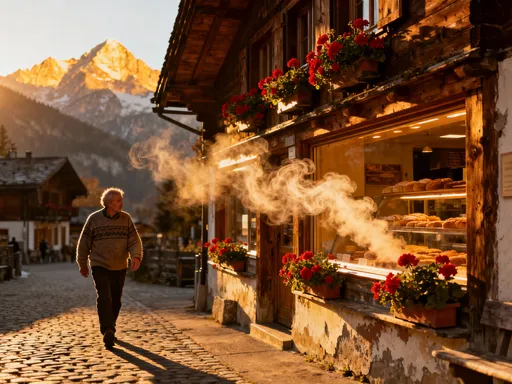
Every element within the commercial zone contributes to a sense of continuity and authenticity. Hand-painted menus hang in café windows, their ink slightly smudged from humidity. Vintage clocks sit behind glass, ticking in quiet rhythm with the pace of village life. Steam rises from fresh pretzels at the bakery counter, blurring reflections in the cold morning air. These subtle details are not merely decorative—they are indicators of a functioning economy rooted in local labor and tradition. For photographers, they serve as natural focal points, transforming ordinary scenes into compelling visual narratives. A loaf of bread on display becomes more than food; it symbolizes sustenance, craftsmanship, and daily ritual.
Equally important is the ever-present backdrop of the Eiger’s north face, which looms in the distance like a silent guardian. This monumental presence ensures that no photograph taken in the commercial area feels flat or isolated. Even a simple shot of a shopper exiting a store gains depth and drama when framed against the jagged peaks and glacial ridges of the Bernese Alps. The interplay between human scale and natural grandeur creates a powerful visual contrast—one that speaks to the resilience of small communities nestled within vast, untamed landscapes. This duality is what makes Grindelwald so compelling: it is both intimate and epic, grounded and awe-inspiring.
Best Times to Shoot for Light and Life
Photographing Grindelwald effectively requires an understanding of both natural light and human rhythm. The village experiences dramatic shifts in illumination throughout the day due to its position in a narrow alpine valley. During early morning hours, particularly between 7 and 9 AM, the eastern side of Dorfstrasse is bathed in soft, golden light. This low-angle sunlight enhances textures—wood grain, stone walls, snowdrifts—while casting long, elegant shadows that add depth to compositions. At this time, the streets are largely empty, allowing for clean shots of architecture and still-life scenes. It’s also when the village comes alive in quiet ways: bakers open their ovens, delivery trucks arrive with fresh goods, and locals begin their day with coffee and conversation.
These early moments offer some of the most intimate photographic opportunities. A shopkeeper arranging pastries in the window, a dog curled up on a doorstep, or a bicycle leaning against a wall with frost on its handlebars—all become poetic details when captured in the gentle morning glow. The air is crisp, often carrying a faint mist that softens edges and adds atmosphere without obscuring clarity. For photographers seeking stillness and contemplation in their images, dawn in Grindelwald is unmatched.
As the day progresses, light becomes more direct and contrast increases, which can be challenging for digital sensors. However, late afternoon brings another golden window—literally and figuratively. Between 4 and 6 PM, depending on the season, the sun begins to dip behind the surrounding peaks, casting a warm, diffused light across the rooftops and streets. This is golden hour in the alpine environment: shorter in duration than in flatter regions but equally magical. The light wraps around buildings, highlighting warm tones in wood and stone while illuminating the snow-capped summits behind the village. It’s an ideal time for portraits, street scenes, and wide-angle shots that include both commerce and landscape.
Weekdays and weekends each offer distinct advantages. Midweek shooting allows for more candid, everyday moments—fewer tourists mean locals move freely, unposed and unbothered by cameras. By contrast, weekends bring energy and color, with families strolling, children laughing, and visitors browsing shop windows. The increased foot traffic adds vibrancy to images, though it may require more patience and discretion. Regardless of timing, awareness of seasonal variation is essential. In winter, daylight is limited, and snow reflects light intensely, requiring adjustments in exposure. In summer, longer days allow for extended shooting windows, though midday sun can be harsh. Planning around these natural rhythms ensures photographers capture Grindelwald at its most expressive.
Key Photo Spots Along Dorfstrasse and Beyond
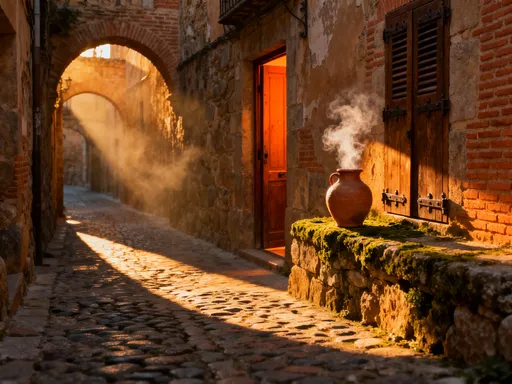
For photographers beginning their exploration, the area around Grindelwald Dorf railway station offers an excellent starting point. Here, narrow alleys branch off Dorfstrasse, revealing tucked-away corners with weathered walls, ivy-covered railings, and rustic signage. These side passages provide intimate framing opportunities, ideal for close-ups and detail shots. The interplay of light and shadow in these narrow lanes creates natural chiaroscuro effects, enhancing mood and drama. Because they are less trafficked, these spaces also allow for more relaxed shooting without obstructing pedestrian flow.
Moving toward the center of the village, the open plaza near the tourist information office presents a different kind of photographic potential. This spacious area offers unobstructed views of the Eiger and serves as a natural gathering point. It’s particularly effective for wide-angle compositions that include people, architecture, and mountain backdrop in a single frame. During events such as seasonal markets or holiday celebrations, the square becomes even more dynamic, filled with stalls, decorations, and animated crowds. Even on quiet days, the way visitors pause to take in the view provides natural subject matter—people framed by awe, their silhouettes small against the vastness of the Alps.
One of the most advantageous vantage points in the village is the pedestrian bridge near the train tracks. Elevated slightly above street level, it offers a diagonal perspective down Dorfstrasse, allowing photographers to capture the receding lines of buildings, rooftops, and pathways. This sense of depth enhances storytelling, suggesting movement and journey. The bridge is also useful during golden hour, when the low sun travels along the length of the street, illuminating facades and casting long shadows. With the Eiger rising in the background, this location enables powerful layered compositions that merge urban and natural elements seamlessly.
Equally valuable are the interiors of local shops, many of which welcome visitors even if they’re not making a purchase. Stepping inside a traditional bakery, for example, reveals a world of warm lighting, wooden counters, and the rich textures of bread and pastry. The contrast between the cool, blue-tinged alpine light outside and the golden, incandescent glow within creates a striking visual dichotomy. Similarly, outdoor gear stores often display vintage maps, climbing ropes, and old photographs on their walls—details that speak to the region’s mountaineering heritage. With permission, these interiors can yield some of the most evocative images, capturing not just products but the spirit of the place.
Capturing Local Culture Through Commerce
In Grindelwald, commerce is not separate from culture—it is an expression of it. Every shop, café, and market stall reflects the values, history, and daily rhythms of the community. Photographers who look beyond surface aesthetics can uncover stories of continuity, adaptation, and pride. A family-run outfitter might display both modern ski gear and a framed photograph of ancestors who once guided climbers up the Eiger. A small grocery store could have a chalkboard listing locally sourced cheeses and meats, each name tied to a nearby farm. These elements are not marketing gimmicks; they are reflections of a living tradition.
By focusing on human interactions within commercial spaces, photographers can elevate their work from documentation to storytelling. The moment a cashier hands a child a lollipop with a smile, or a tourist tries on a hand-knit wool hat while consulting a shopkeeper, becomes a narrative fragment—a glimpse into the social fabric of the village. These exchanges, though fleeting, carry emotional weight and authenticity. They reveal warmth, hospitality, and the quiet dignity of work. When captured with sensitivity, such images resonate far beyond their immediate context.
Even the arrangement of goods in shop windows tells a story. A display of hiking boots beside a vintage compass suggests a bridge between past and present. A basket of fresh apples next to a jar of homemade jam speaks to seasonal rhythms and local agriculture. These compositions, whether intentional or incidental, offer photographers rich material for still-life photography that conveys deeper meaning. The key is to observe patiently, waiting for the right alignment of light, subject, and gesture. A well-timed shot of a hand reaching for a loaf of bread, or steam rising from a cup of coffee on a cold morning, can encapsulate the essence of alpine life in a single frame.
Gear and Techniques for Maximum Impact
Success in photographing Grindelwald’s commercial heart depends not only on vision but on practical preparation. Given the narrow streets, frequent pedestrian traffic, and need for discretion, a lightweight and unobtrusive setup is ideal. A mirrorless camera paired with a 35mm or 50mm prime lens offers excellent versatility, allowing for both environmental portraits and tight architectural details without drawing excessive attention. These focal lengths approximate natural human vision, resulting in images that feel immersive and authentic.
Alpine light is intense and highly variable, especially when snow cover amplifies reflections. A polarizing filter is invaluable for managing glare on windows, wet surfaces, and metal signs, while also deepening the blue of the sky and enhancing cloud definition. Shooting in RAW format is strongly recommended, as it preserves maximum detail in both shadows and highlights—critical in high-contrast scenes where bright snow meets dark wood. This flexibility proves especially useful during post-processing, when recovering highlight detail in overexposed areas or lifting shadows in underlit corners can make a significant difference.
Natural light should be embraced as the primary source of illumination. Flash photography, while technically possible, often disrupts the ambient mood and can appear harsh in intimate settings. In low-light situations—such as early morning or inside dimly lit shops—increasing ISO sensitivity and using slightly slower shutter speeds (e.g., 1/60s) can yield excellent results, especially when stabilized by a steady hand or support. For scenes involving movement—shoppers walking, cyclists passing, or steam rising from a bakery vent—intentional use of motion blur can add dynamism. A shutter speed just slow enough to show subtle movement, while keeping key elements sharp, creates a sense of life in motion.
Adaptability is crucial. Light changes rapidly in mountain valleys due to shifting cloud cover and the angle of the sun. Photographers should be prepared to adjust settings frequently, monitoring exposure and white balance to maintain consistency. Carrying a small notebook or using a smartphone app to log successful settings for different times of day can streamline this process. Additionally, dressing in layers and wearing comfortable, waterproof footwear ensures physical comfort during long walks and extended shooting sessions—factors that directly impact creative focus and endurance.
Ethical Photography and Respectful Engagement
While the visual abundance of Grindelwald may tempt photographers to shoot freely, ethical considerations must remain paramount. The village is not a stage; it is a home. Residents go about their lives with dignity, and their privacy deserves protection. When photographing people, especially in close proximity, it is essential to ask for permission. A simple smile, a nod, or a polite gesture—such as holding up the camera and pausing—can open a respectful dialogue. In many cases, locals are happy to be photographed, particularly if approached with kindness and transparency.
Using telephoto lenses to capture candid expressions from a distance, while technically feasible, risks feeling invasive. Such images, even if visually striking, may lack authenticity and can inadvertently exploit the subject. Instead, photographers are encouraged to engage directly—buying a coffee, asking a question about a product, or complimenting a shopkeeper’s display. These small interactions build trust and often lead to more natural, willing participation. A portrait taken with consent carries a different emotional weight than one taken covertly; it reflects collaboration rather than observation.
Respect also extends to business operations. During peak hours, shopkeepers are busy serving customers, and photographing them in moments of stress or distraction is inappropriate. Waiting for a lull in activity or returning at a quieter time demonstrates consideration. Similarly, avoiding obstructive behavior—such as blocking doorways or lingering in high-traffic areas—ensures that photography does not interfere with daily commerce. Ultimately, the goal is to be a thoughtful guest, one who enhances rather than disrupts the rhythm of the village.
More Than Just Pictures
Photographing Grindelwald’s commercial heart is an act of connection—to place, to people, to tradition. It is not merely about capturing beautiful images, but about bearing witness to a way of life that balances heritage and modernity, solitude and community, nature and nurture. Each photograph becomes a small tribute to the resilience of alpine culture, where beauty arises not from perfection, but from authenticity. The creak of wooden floors, the scent of fresh bread, the echo of footsteps on cobblestones—these are the sensory details that images can only suggest, but that together create an indelible impression.
In a world increasingly dominated by digital replication and fleeting trends, Grindelwald stands as a reminder of enduring values. Its shops are not franchises; its streets are not sets. They are lived-in, loved, and maintained with care. When photographers approach this environment with intention and respect, their images transcend aesthetics. They become records of presence, of light, of human connection. They invite viewers not just to look, but to feel—to imagine the chill of morning air, the warmth of a shared smile, the quiet pride of a craftsman arranging his wares.
The best photograph is not the one with perfect focus or ideal lighting, but the one that evokes a sense of being there. It is the image that makes the viewer pause, breathe deeply, and wonder what the air smells like in that moment. In Grindelwald, where commerce meets beauty in quiet harmony, every shot holds that possibility. By honoring the life within the frame, photographers don’t just take pictures—they preserve stories that might otherwise go unnoticed, one deliberate, respectful click at a time.