Taste of Budapest: Where Every Bite Tells a Story
Hungary’s capital isn’t just a feast for the eyes—Budapest is flavor. From steaming paprika-laced stews to buttery, flaky pastries pulled fresh from wood-fired ovens, the city pulses with culinary soul. Travelers wander its cobbled lanes hungry for culture and quickly discover that its true heartbeat thrums in market halls, hidden courtyards, and family-run kitchens. This is more than dining; it’s immersive storytelling on a plate. Every dish carries generations of tradition, shaped by seasons, family, and the quiet pride of craftsmanship. To taste Budapest is to understand its people, history, and spirit—one shared meal at a time.
The Soul of Hungarian Cuisine: More Than Just Goulash
Hungarian cuisine is often reduced to one iconic dish—goulash—but this hearty stew, rich with paprika and tender beef, is only the beginning of a much deeper culinary narrative. Budapest’s food culture is built on centuries of agricultural tradition, Central European influences, and a deep respect for seasonal ingredients. Meals are not rushed; they are events, often stretching over hours, where conversation flows as freely as wine. At the heart of the cuisine lies a trinity of flavors: sweet or smoked paprika, earthy caraway seeds, and cool, tangy sour cream. These are not mere seasonings—they are the foundation of identity, shaping everything from soups to pastries.
The use of paprika, in particular, is sacred. Introduced in the 16th century, it quickly became the soul of Hungarian cooking, transforming simple ingredients into vibrant, aromatic dishes. Unlike the powdered spice found in many Western kitchens, authentic Hungarian paprika is carefully graded for quality, sweetness, and heat. It’s stored with care in homes and markets alike, a sign of both pride and practicality. Dishes like lecsó, a summer vegetable stew of peppers, tomatoes, and onions, or pörkölt, a slow-cooked meat stew, showcase how this spice brings warmth and depth without overwhelming. The cuisine is hearty, designed for cold winters and long days, yet balanced with acidity and freshness from fermented vegetables, pickled cucumbers, and homemade fruit preserves.
What truly defines Hungarian food, however, is its social nature. Meals are rarely eaten alone. Even a simple weekday dinner often gathers family around the table, with multiple courses served in succession. Sunday lunches are sacred, featuring dishes like stuffed cabbage (töltött káposzta) or chicken paprikash, often prepared by grandmothers who pass down recipes by memory, not measurement. This tradition of communal eating reinforces bonds and preserves heritage. In Budapest, restaurants reflect this ethos, with many family-run establishments serving generations of the same clientele. Dining here is not transactional—it’s relational, a gesture of welcome and warmth that extends far beyond the plate.
Morning Rituals: Coffee Houses and Market Halls Come Alive
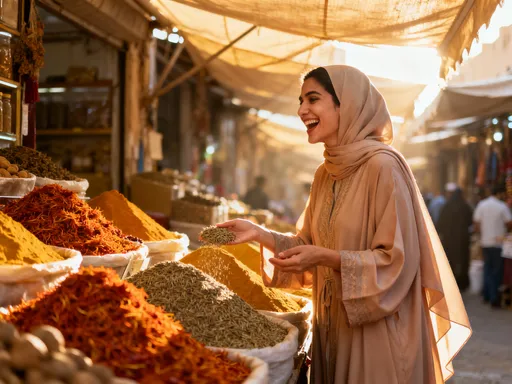
The rhythm of a Budapest day begins in its coffee houses and market halls, where the aroma of strong coffee, warm bread, and cured meats fills the air. These are not mere places to eat—they are cultural institutions, alive with conversation, music, and the quiet rituals of daily life. The Great Market Hall on Váci Street is a sensory masterpiece, its grand iron-and-glass structure housing row after row of vendors selling everything from paprika and pickles to hand-carved wooden spoons and embroidered linens. Locals weave through the stalls with woven baskets, pausing to sample aged cheeses, sniff bundles of fresh dill, or bargain for jars of homemade ajvar.
Upstairs, the food court buzzes with energy. Here, you’ll find elderly women ladling steaming portions of goulash into bowls, men slicing thick cuts of smoked sausages, and grandfathers sipping pálinka before noon. A simple breakfast might include lángos—a deep-fried flatbread brushed with garlic butter and topped with sour cream and cheese—or a buttery rétes, a fruit-filled strudel dusted with powdered sugar. These are not tourist snacks but real, everyday foods, deeply woven into the city’s morning fabric. The market is also a place of education: vendors patiently explain the difference between sweet and hot paprika, recommend the best goose liver pâté, or share tips on how to pickle peppers at home.
Equally important are Budapest’s grand coffee houses, relics of the Austro-Hungarian era that once hosted poets, politicians, and revolutionaries. New York Café, often called the “most beautiful coffee house in the world,” dazzles with its gilded mirrors, red velvet banquettes, and crystal chandeliers. Yet despite its opulence, it remains accessible—a place where a working mother might enjoy a mid-morning coffee while a student pores over books in the corner. The menu features delicate pastries like Dobos torte, a layered sponge cake with caramel topping, or gerbeaud slices, dense with nuts and jam. But it’s not just about the food; it’s about the atmosphere. Time slows here. People linger. A single cup of coffee can stretch into an hour of reflection, conversation, or quiet observation. In these spaces, Budapest reveals its elegance and its soul, one espresso at a time.
Cooking Class Immersion: Rolling Dumplings with a Local Grandma
One of the most meaningful ways to connect with Budapest’s culinary culture is through a hands-on cooking class with a local home cook—often affectionately referred to as “grandma” even if she’s not your own. These intimate workshops, held in cozy apartments or sunlit kitchens, offer far more than recipes. They are windows into Hungarian life, where food is love, memory, and identity all at once. As you roll out dough for nokedli, the small egg dumplings that accompany so many stews, your host might share stories of childhood winters, family holidays, or how she learned to cook from her mother in a village without running water.
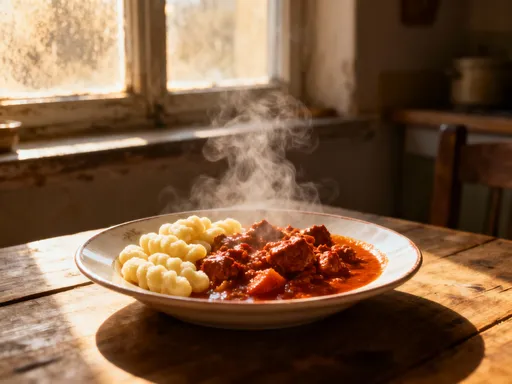
The process is simple but precise. Flour, eggs, and a pinch of salt are mixed into a soft dough, then pressed through a colander into boiling water—creating tiny, pillowy dumplings that float to the surface when ready. There’s laughter as first-timers struggle with the technique, and gentle correction from the host, whose hands move with decades of muscle memory. Meanwhile, a pot of töltött káposzta simmers on the stove—cabbage leaves stuffed with a spiced pork and rice mixture, layered with smoked meat and sauerkraut, then baked until tender. As you work, the kitchen fills with the scent of paprika, caraway, and slow-cooked meat, a fragrance that seems to wrap around you like a warm blanket.
These classes are not performative; they are deeply authentic. There are no scripts, no timed demonstrations—just real cooking, real conversation, and real connection. You might learn how to properly layer a strudel dough so it stays crisp, or why sour cream should never be boiled (it curdles). But more importantly, you learn about resilience, hospitality, and the quiet pride Hungarians take in feeding others. By the end, the meal you’ve helped prepare is shared around the table, accompanied by wine and stories. It’s not just dinner—it’s belonging. And long after the last bite, you carry with you the feeling of being welcomed, not as a tourist, but as family.
Hidden Courtyard Eateries: Finding Authenticity Off the Beaten Path
Beyond the postcard views of the Danube and the grandeur of the Parliament lies another Budapest—one hidden in courtyards, alleyways, and repurposed ruins. These are the city’s “bistros,” intimate eateries that thrive in unexpected places, often tucked behind unmarked doors or within the labyrinthine complexes of former factories. Szimpla Kert, the most famous of the ruin pubs, is more than a bar; its courtyard is a living mosaic of mismatched furniture, street art, and small food stalls serving authentic Hungarian dishes at local prices. Here, you might sit on a vintage sofa beneath string lights, sipping craft beer while eating a plate of smoked sausages and pickled vegetables prepared by a woman who’s been cooking in Budapest markets for 40 years.
But Szimpla is just the beginning. Smaller, lesser-known spots like Kiskakukk or Fórum offer even deeper authenticity. These places are not designed for Instagram—they are for locals who value good food, good company, and low pretense. Menus are often handwritten, changing daily based on what’s fresh or what the chef’s grandmother happened to send over that morning. A typical meal might include halászlé, a spicy fisherman’s soup made with river fish and extra paprika, or tepertős palacsinta, a savory crêpe filled with a creamy potato and sour cream mixture. Wines are poured from local vineyards, often lesser-known regions like Villány or Somló, and recommended with genuine enthusiasm by staff who know every bottle by name.
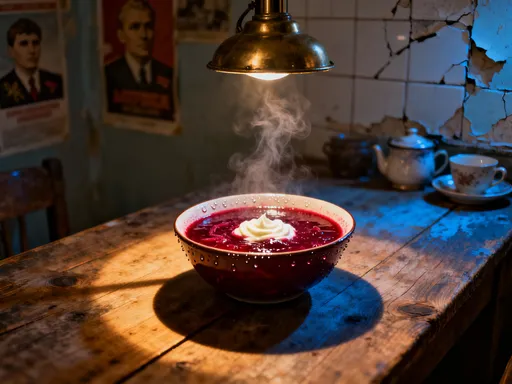
The ambiance is unpolished but warm—walls cracked with age, tables scarred from use, music playing softly in the background. There’s no pressure to order dessert or rush your coffee. Time moves differently here. These spaces are refuges from the tourist trail, where the food is honest, the service kind, and the experience deeply human. For the traveler willing to wander beyond the guidebook, these hidden courtyards offer a truer taste of Budapest—one that’s not performed, but lived.
Wine and Tokaji: A Toast to Hungary’s Liquid Gold
While Hungary may be better known for its spirits like pálinka, its wine culture is a quiet masterpiece, centuries in the making. Budapest offers an ideal introduction to this rich tradition, with wine bars nestled in the Castle District, along the Danube, and in the city’s artistic quarters. One of the most celebrated treasures is Tokaji, a luscious sweet wine made from grapes affected by noble rot, a natural mold that concentrates the sugars and flavors. Often called “the wine of kings,” Tokaji was once served at royal courts across Europe and praised by Louis XIV as “the wine of wine.” Today, it remains a symbol of Hungarian pride, best enjoyed in small glasses, paired with blue cheese, foie gras, or a slice of dense walnut cake.
But Hungary’s wine story extends far beyond sweetness. In the Eger region, Egri Bikavér—“Bull’s Blood”—is a robust red blend known for its complexity and depth. Made from a mix of Kékfrankos, Kadarka, and other native grapes, it pairs beautifully with paprika-heavy dishes, cutting through the richness with its bright acidity. In Villány, the country’s southernmost wine region, bold reds like Cabernet Franc and Syrah thrive in the warm climate, producing wines with deep color and structure. These are not imitations of French or Italian styles—they are distinctly Hungarian, shaped by volcanic soils, continental climate, and generations of winemaking knowledge.
Wine bars in Budapest, such as Doblo or DiVino, offer curated tastings that guide visitors through these regional differences. Knowledgeable staff explain the terroir, the harvest methods, and the stories behind each label. Many focus on small producers, organic practices, and natural fermentation, reflecting a growing appreciation for authenticity and sustainability. A tasting flight might include a crisp Furmint from Tokaj, a floral Hárslevelű, and a smoky Kéknyelű, each revealing a different facet of Hungary’s viticultural diversity. For travelers, these experiences demystify wine, transforming it from a beverage into a narrative—one that speaks of land, labor, and legacy.
Street Food Revival: Lángos, Sausages, and Modern Twists
Street food in Budapest has undergone a quiet renaissance, evolving from simple, greasy snacks into a vibrant expression of culinary creativity. At the heart of this revival is the humble lángos, a deep-fried dough that has long been a staple at markets and festivals. Traditionally topped with garlic, sour cream, and grated cheese, it’s the ultimate comfort food—crispy on the outside, soft within, and deeply satisfying. Today, you’ll still find classic versions at stands in the Great Market Hall or along the riverbank, often served on paper plates with a sprinkle of parsley and a wedge of lemon.
But a new generation of chefs is reimagining this favorite, adding gourmet touches like truffle oil, feta and spinach, or even duck confit. At food trucks and pop-up markets, you might encounter a lángos topped with smoked salmon and dill cream, or one stuffed with pulled pork and barbecue sauce. These modern versions respect the original while embracing innovation, much like Budapest itself—a city that honors its past while moving steadily into the future. Similarly, sausage stands have elevated the simple kolbász into an art form. Made from pork, paprika, and garlic, often smoked over beech wood, these sausages are served in crusty rolls with mustard, onions, and pickles, a perfect fuel for a day of exploration.
The street food scene also reflects Hungary’s growing interest in global flavors and healthy options. You’ll find stands offering Turkish-inspired flatbreads, Middle Eastern falafel with Hungarian herbs, or vegan versions of traditional dishes made with lentils and root vegetables. Yet even as new influences arrive, the core values remain: quality ingredients, bold flavors, and generous portions. For the traveler, street food offers more than convenience—it offers connection. It’s a way to eat like a local, to stand at a counter beside a construction worker or a schoolteacher, sharing the same simple, delicious meal. In these moments, the boundaries between visitor and resident blur, and Budapest feels not just visited, but experienced.
Dining with a View: From Danube Cruises to Rooftop Kitchens
For those seeking a blend of scenery, sophistication, and seasonal cuisine, Budapest delivers unforgettable dining experiences with a view. One of the most magical ways to enjoy the city is aboard a dinner cruise along the Danube, where the illuminated Parliament, Buda Castle, and Chain Bridge glide past as you savor a multi-course meal. These cruises are not gaudy spectacles but elegant affairs, with white linen tables, live piano music, and menus that highlight Hungarian flavors in refined ways. A starter might be a chilled cucumber and yogurt soup with dill, followed by a main of duck breast with plum sauce and galuska dumplings, and finished with a dessert of poppy seed roll or chocolate-cherry torte.
The real magic lies in the perspective. As the boat glides beneath the lit bridges, the city reveals itself in a new light—its grandeur softened by the water, its history reflected in the ripples. Conversations slow. Cameras come out. Even the most seasoned travelers feel a quiet awe. These cruises are especially popular at sunset, when the golden light bathes the river and the first stars appear above the hills. They are ideal for couples, families, or solo travelers seeking a moment of beauty and indulgence.
On land, rooftop restaurants offer another vantage point. Perched atop historic buildings in the city center, places like High Note SkyBar or 360 Bar & Restaurant serve seasonal menus crafted with local ingredients—think pumpkin soup with smoked cheese, roasted lamb with rosemary, or freshwater fish from Lake Balaton. The cocktails are inventive, often featuring Hungarian spirits like Unicum or fruit brandies, and the wine lists highlight domestic producers. But it’s the view that steals the show: a 360-degree panorama of domes, spires, and the winding Danube, all glowing under the night sky. These spaces are not just restaurants—they are destinations, where the meal is only one part of a full sensory journey.
Why Budapest Feeds More Than Just Your Stomach
To travel through Budapest is to be fed in every sense of the word. The city nourishes not just with its rich stews, flaky pastries, and bold wines, but with its warmth, history, and generosity of spirit. Every bite tells a story—of survival through empire and upheaval, of family gathered around a Sunday table, of a culture that measures wealth not in gold but in shared meals and lasting connections. In a world that often feels rushed and fragmented, Budapest reminds us of the power of slowing down, of savoring, of breaking bread with others.
The true guide to this city is not a map, but a menu. It is in the steam rising from a bowl of goulash, the crunch of a fresh strudel, the toast of a Tokaji shared between strangers who become friends. It is in the hands of a grandmother shaping dumplings, the laughter in a ruin pub courtyard, the silence of a river cruise under a starlit sky. To taste Budapest is to belong, even if only for a moment. And in that belonging, we find not just satisfaction, but meaning. So come hungry—not just for food, but for connection. Let the city feed your curiosity, your heart, and your soul. Because in Budapest, every meal is an invitation to come home.