How I Nailed Cost Control on My Exchange Program — Real Talk from Experience
Studying abroad as an exchange student felt like winning the lottery—until I saw my bank balance. What started as a dream almost became a financial nightmare. Between hidden fees, currency surprises, and lifestyle creep, I burned through cash fast. But after nearly tapping out, I got smart. This is how I reined it in, stayed solvent, and still made the most of my time overseas—all without begging my parents for bailouts. What I learned wasn't just about cutting costs; it was about building awareness, making intentional choices, and protecting my peace of mind. The truth is, financial control isn’t about deprivation—it’s about empowerment. And for students far from home, that kind of strength can make all the difference.
The Exchange Student Budget Trap: What No One Warns You About
Many students approach exchange programs with a sense of financial optimism, often rooted in incomplete information. They assume that scholarships, grants, or partial funding cover most expenses, leaving only minor personal spending to manage. But reality sets in quickly upon arrival. Airfare might be paid, tuition waived, and housing arranged—yet within weeks, students find themselves dipping into emergency savings or requesting additional funds from family. Why? Because the real cost of living abroad includes a web of overlooked or underestimated expenses that traditional budgeting guides rarely address in full.
Take, for example, the initial setup costs. These are one-time but essential expenditures that come due immediately upon arrival: security deposits for housing, local SIM cards, public transportation passes, kitchen supplies, bedding, and sometimes even mandatory orientation fees. While each may seem small in isolation, together they can amount to several hundred dollars—a significant sum when you're living on a tight monthly allowance. Then there are recurring costs like utilities, internet, and groceries, which vary widely by country and city. A meal that costs $5 at home might be $12 abroad, and that difference compounds with every purchase.
Another common misconception is that being a student automatically means access to low-cost living. While student discounts exist, they don’t cover everything, and not all services offer them. Moreover, social pressure can lead to what financial experts call “lifestyle creep”—the gradual increase in spending as students adapt to new environments and peer groups. Dining out more often, joining weekend trips, upgrading accommodations, or buying trendy clothes to fit in can silently erode a budget. What starts as occasional splurging becomes routine, and before long, the original financial plan is obsolete.
Traditional budgeting advice often fails international students because it assumes stable currency, predictable pricing, and familiar consumer habits. Abroad, none of these can be taken for granted. Prices fluctuate, sales tax is added at checkout in some countries, and portion sizes differ. A $10 restaurant meal might include only a main dish, with drinks and tips charged separately. Students who don’t account for these nuances end up miscalculating their daily spending limits. The key is not just to budget, but to build a budget rooted in local reality—not idealized assumptions. This requires research, flexibility, and a willingness to adjust as new information emerges.
Mapping Your Real-World Spending: From Rent to Ramen
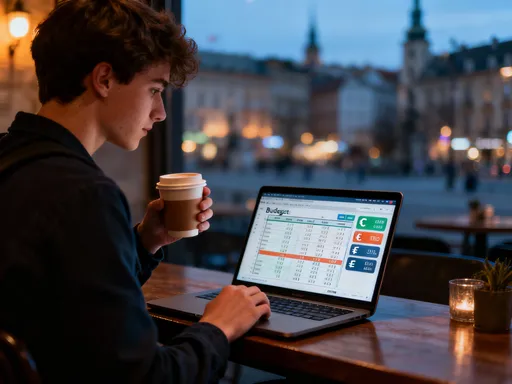
The foundation of effective cost control is a clear, honest picture of where your money actually goes. For exchange students, this means moving beyond generic budget templates and creating a personalized spending map based on real-life conditions. The first step is tracking every expense for at least two weeks—not just major items like rent or tuition, but also daily coffee, snacks, metro fares, and small online purchases. This granular approach reveals patterns that averages and estimates often miss. It’s not uncommon for students to discover they’re spending more on convenience foods than on rent, or that subscription services they forgot about are quietly draining their accounts.
Essential spending categories for most exchange students include accommodation, food, health insurance, communication, transportation, academic supplies, and social activities. Each of these has room for variation, and small choices within each category can lead to significant savings over time. Take housing: living in a university dorm may seem convenient, but it often comes with meal plans that are expensive and inflexible. Opting for shared apartments or homestays can reduce costs while offering more autonomy. Similarly, choosing a slightly longer commute in exchange for lower rent can free up hundreds over a semester.
Food is another major area where decisions have outsized financial impacts. Eating out every day, even at modest restaurants, can cost three to four times more than cooking at home. A single takeaway lunch might be €8, but preparing a similar meal at home could cost €2.50. Over a month, that difference adds up to over €100—enough to cover a round-trip train ticket or several museum visits. Students who master meal planning, buy in bulk, and shop at local markets rather than tourist-centered supermarkets often find they eat better and spend less.
Tracking also helps identify emotional spending triggers. Loneliness, stress, or homesickness can lead to impulsive purchases—a new outfit to feel confident, a spontaneous trip to distract from anxiety, or frequent coffee runs to socialize. While these behaviors are understandable, they can destabilize a budget if left unchecked. By reviewing spending logs, students can recognize these patterns and develop healthier coping strategies, such as joining free campus events, calling family, or engaging in low-cost hobbies. The goal isn’t to eliminate enjoyment, but to align spending with values and priorities.
Currency Smarts: Avoiding the Exchange Rate Shock
One of the most disorienting aspects of studying abroad is dealing with a foreign currency. Money feels different when prices are in euros, yen, or krona. What looks like a small expense on paper can translate to a much larger amount in your home currency, especially if exchange rates shift unexpectedly. This is where currency awareness becomes a critical financial skill. Exchange rate fluctuations can add hidden costs to every transaction, turning a seemingly affordable lifestyle into an expensive one over time. But with the right tools and habits, students can minimize these losses and protect their purchasing power.
The first rule of currency management is to avoid exchanging cash at airports or hotels. These locations often offer the worst rates and charge high commissions, sometimes up to 15%. Instead, students should use reputable digital platforms or local banks that provide better rates and lower fees. Services like Wise (formerly TransferWise), Revolut, or local credit unions often offer transparent pricing and real-time exchange rates close to the mid-market value. These platforms also allow users to hold multiple currencies, making it easier to pay in local money without automatic conversion penalties.
Timing also matters. Exchange rates fluctuate daily based on global markets, so transferring large sums all at once can be risky. A smarter approach is to use a staggered transfer strategy—sending smaller amounts at regular intervals to average out rate fluctuations. This method, known as dollar-cost averaging, reduces the risk of transferring a large sum just before a rate drop. It also helps students maintain steady cash flow without overexposing themselves to market volatility.
Another useful tactic is setting up a dual-currency bank account. Some international student accounts allow users to receive funds in their home currency and convert only what they need each month. This provides flexibility and control, especially during periods of favorable rates. Students can also set rate alerts through financial apps to monitor trends and act when conditions are optimal. The goal isn’t to time the market perfectly, but to avoid careless conversions that erode funds unnecessarily. Over a six-month exchange, these small optimizations can save hundreds of dollars—money that could go toward travel, emergency reserves, or simply peace of mind.
Earning While Learning: Side Hustles That Actually Work Abroad
While most exchange programs prioritize academics, many students overlook the possibility of earning supplemental income legally and ethically. There’s a common belief that visas prohibit work, but this isn’t always true. Many countries allow international students to work part-time on campus or in certain sectors, usually limited to 10–20 hours per week. Even within these constraints, there are viable opportunities to earn extra cash without compromising academic performance or visa status. The key is choosing flexible, low-stress gigs that align with existing skills and schedules.
Tutoring is one of the most accessible and rewarding options. Native speakers of English, Mandarin, Spanish, or other in-demand languages can offer language lessons to local students or professionals. Platforms like Preply, iTalki, or campus bulletin boards connect tutors with learners seeking conversation practice or exam preparation. Rates vary by location and language, but even $15–$25 per hour can cover weekly groceries or a monthly phone bill. The work is often done online, allowing students to tutor from their dorm or a quiet café on their own time.
Freelance writing, editing, or graphic design is another viable path for those with digital skills. Many students already have experience writing essays, creating presentations, or managing social media. These skills translate well to remote gigs such as blog writing, resume editing, or content creation for small businesses. Websites like Upwork, Fiverr, or LinkedIn can help students find clients, though building a portfolio takes time. Starting small with one or two projects per week can generate steady income without overwhelming academic responsibilities.
On-campus jobs are also worth exploring. Positions like library assistant, research aide, event coordinator, or lab monitor are often reserved for students and come with flexible hours. These roles not only provide income but also help students integrate into the university community, improve language skills, and build professional networks. Some roles even offer perks like free meals, transportation reimbursement, or access to exclusive events. The application process is usually straightforward, and many universities have dedicated offices to help international students find suitable positions.
It’s important to balance earning with well-being. Overworking leads to burnout, which can harm academic performance and overall health. Students should set clear boundaries, prioritize rest, and avoid gigs that demand long commutes or irregular hours. The goal isn’t to replace financial support from family or scholarships, but to reduce dependency and gain financial confidence. Even earning enough to cover personal expenses can make a meaningful difference in stress levels and sense of independence.
Cutting Costs Without Killing the Experience
One of the biggest fears students have about budgeting is that it will limit their ability to enjoy the exchange experience. They worry that cutting costs means missing out on travel, cultural events, and social connections. But the truth is, financial discipline doesn’t require isolation or deprivation. In fact, smart spending often leads to richer, more authentic experiences. The key is shifting from a tourist mindset to a local one—focusing on value, access, and immersion rather than convenience and consumption.
Student discounts are one of the most underused resources. Many museums, theaters, public transportation systems, and even airlines offer reduced rates for students with valid ID. In some countries, a single ISIC card unlocks hundreds of savings opportunities. Planning visits during free admission days or student-only hours can make cultural exploration affordable. Similarly, universities often host free lectures, concerts, film screenings, and guest speaker events that are open to all students. These aren’t just cost-effective—they’re excellent ways to meet people and deepen understanding of the host culture.
Travel doesn’t have to be expensive either. By avoiding peak seasons, booking in advance, and using budget airlines or rail passes, students can visit multiple cities without breaking the bank. Staying in hostels, guesthouses, or through homestay programs reduces lodging costs significantly. Some students even use home exchange networks or volunteer-based travel platforms like Workaway to access free accommodation in exchange for light work. These experiences often lead to deeper cultural connections than standard tourist stays.
Socializing affordably is another area where creativity pays off. Instead of meeting at cafes or bars, students can organize potlucks, picnic outings, game nights, or free walking tours. These activities foster genuine connection without the pressure to spend. Cooking together, sharing recipes, or exploring local parks builds community in a way that expensive dinners often don’t. Resisting peer pressure to spend is challenging, but framing it as a personal choice—not a limitation—helps maintain confidence. Saying “I’m on a budget this week” is a valid, respected reason in most social circles.
Ultimately, the goal is to maximize experience per dollar spent. A $50 museum tour might be informative, but a free self-guided walk through a historic neighborhood with a local friend can be just as enriching—and more memorable. By prioritizing meaning over money, students discover that the best parts of exchange life often cost little or nothing at all.
Risk Control: Emergency Funds and Smart Insurance Choices
No matter how well you plan, unexpected expenses will arise. A sudden illness, a lost phone, a flight delay, or a broken appliance can disrupt even the most careful budget. That’s why risk control is a non-negotiable part of financial management abroad. The most effective defense is a small emergency fund—ideally covering two to three months of essential living expenses. This isn’t meant for discretionary spending, but for true emergencies that could otherwise force students to borrow money or cut their program short.
Building this fund starts before departure. Students should aim to save a portion of their pre-departure funds specifically for emergencies. Even $300–$500 can cover a medical co-pay, a replacement laptop charger, or an urgent train ticket. The fund should be kept in a separate, accessible account—preferably in the local currency or a stable, widely accepted one. It should only be touched in genuine emergencies, not for missed meals or unplanned shopping.
Equally important is having the right insurance coverage. Most exchange programs require some form of health insurance, but not all plans are equal. Institutional plans provided by universities may cover basic medical care but exclude dental, mental health, or prescription medications. Third-party insurers often offer more comprehensive options, but students must read the fine print. Key terms to understand include deductibles (the amount you pay before coverage kicks in), co-pays (your share of each medical visit), and coverage caps (the maximum the insurer will pay).
Some plans also exclude pre-existing conditions or high-risk activities like skiing or scuba diving. Students should review their policy carefully and consider supplemental coverage if needed. Travel insurance is another layer worth considering, especially for trip cancellations, lost luggage, or emergency evacuations. While it adds to upfront costs, it can prevent much larger expenses down the line. The goal isn’t to over-insure, but to avoid being under-protected. A few hours of research can save thousands in unexpected bills.
Building Financial Discipline That Lasts Beyond the Program
The financial habits formed during an exchange program often extend far beyond the return home. Living within limits, tracking expenses, managing currency, and planning for emergencies are skills that serve students for life. What begins as a survival strategy abroad becomes a foundation for long-term financial health. Many former exchange students report greater confidence in handling money, negotiating budgets, and making informed spending decisions after their experience. The sense of control they gain doesn’t fade—it evolves.
This transformation isn’t about perfection. No one sticks to a budget flawlessly, and every student makes occasional missteps. The real growth comes from awareness—recognizing patterns, learning from mistakes, and adjusting course. Over time, mindful spending becomes second nature. The student who once impulse-bought souvenirs learns to prioritize experiences. The one who avoided tracking receipts develops a habit of weekly financial check-ins. These small shifts accumulate into lasting financial resilience.
Moreover, the exchange experience teaches adaptability. Students learn to navigate unfamiliar systems, make do with less, and find creative solutions—skills that apply to career development, personal relationships, and future challenges. Financial discipline, in this context, is not just about money. It’s about self-reliance, problem-solving, and emotional maturity. It’s about making choices that reflect values rather than impulses.
When students return home, they bring back more than souvenirs and photos. They carry a deeper understanding of themselves and their relationship with money. They’ve faced real-world constraints and come out stronger. That kind of growth isn’t measured in dollars saved, but in confidence gained. And that, more than any budget spreadsheet, is the true return on investment.